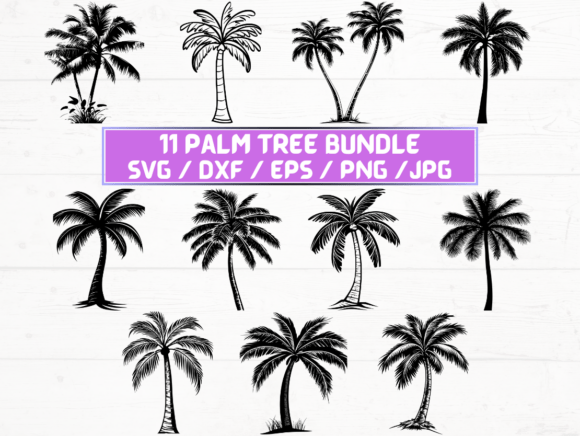
Exploring the Versatility of Palm Tree SVG Files for Design and Creativity
The Palm Tree SVG File has become an essential tool for designers, artists, and creators across various industries. As a scalable vector graphic format, it offers unique advantages that make it ideal for both digital and print applications. This article delves into the practical aspects of using Palm Tree SVG File, highlighting its characteristics, benefits, use cases, and considerations.
The Anatomy of a Palm Tree SVG File
An SVG file is essentially an XML-based format that defines two-dimensional graphics. The Palm Tree SVG File is no different—it uses mathematical equations to render images, ensuring they remain crisp and clear at any scale. This makes it particularly useful for projects that require high-resolution visuals without compromising quality.
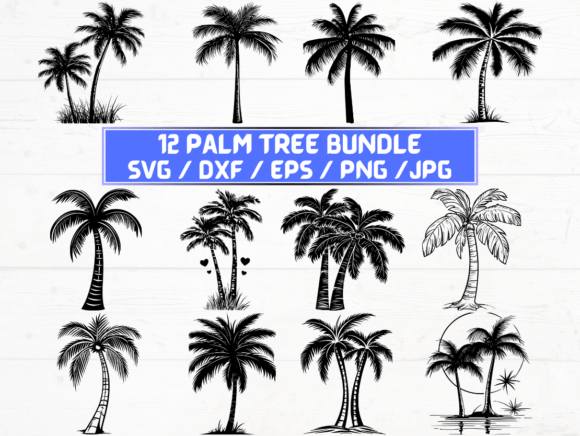
The Palm Tree SVG File typically includes detailed elements such as the trunk, fronds, and leaves. Each component can be edited individually, allowing for precise customization. For instance, the trunk might be represented with a simple rectangle or more complex curves, depending on the level of detail required.
One of the key features of the Palm Tree SVG File is its support for transparency. This means that the background can be left blank, making it easier to integrate the image into different design contexts. Whether you're creating a logo, a website banner, or a printable poster, the ability to remove the background enhances flexibility.
Advantages of Using the Palm Tree SVG File
The Palm Tree SVG File offers several advantages over traditional image formats like JPEG or PNG. One of the most significant benefits is scalability. Unlike raster images, which can pixelate when enlarged, SVG files maintain their clarity regardless of size. This makes them perfect for use in responsive web designs, where images need to adapt to different screen sizes.
Another advantage is the ability to edit individual elements within the Palm Tree SVG File. If you want to change the color of the leaves or adjust the shape of the trunk, you can do so directly in an SVG editor. This level of control is invaluable for designers who need to make quick adjustments without starting from scratch.
Additionally, the Palm Tree SVG File supports interactivity and animation. With the right tools, you can create dynamic effects such as wind movement or light filtering through the fronds. These features open up new possibilities for creative expression and engagement.
Use Cases for the Palm Tree SVG File
The Palm Tree SVG File is not limited to a single application. It can be used in a wide range of scenarios, from branding and marketing to education and entertainment. Here are some common use cases:
- Branding and Logo Design: The Palm Tree SVG File can serve as a core element in a brand's visual identity. Its clean lines and natural appearance make it suitable for logos, especially for businesses related to tropical themes or outdoor activities.
- Web Development: In web design, the Palm Tree SVG File can be embedded directly into HTML code, ensuring fast loading times and optimal performance. It’s also compatible with CSS and JavaScript, allowing for interactive elements.
- Print Media: For print projects, the Palm Tree SVG File ensures high-quality output due to its vector nature. It can be scaled to any size without losing resolution, making it ideal for posters, brochures, and signage.
- Education and Research: In academic settings, the Palm Tree SVG File can be used to illustrate botanical concepts or environmental studies. Its precision and clarity make it a valuable teaching tool.
- Entertainment and Gaming: The Palm Tree SVG File is often used in game development and animations. Its ability to be manipulated and animated allows for rich visual storytelling in virtual environments.
Considerations When Using the Palm Tree SVG File
While the Palm Tree SVG File offers numerous benefits, there are a few considerations to keep in mind:
First, not all software programs support SVG files natively. If you're working with a program that doesn't have SVG compatibility, you may need to convert the file to another format such as PNG or JPG. However, this process can sometimes result in a loss of quality or scalability.
Second, the complexity of the Palm Tree SVG File can affect its performance. Highly detailed SVGs may take longer to load, especially on websites with many elements. To optimize performance, it's advisable to simplify the design or use compression techniques.
Third, the Palm Tree SVG File requires proper licensing. While many SVG files are available for free, others may come with restrictions on commercial use. Always ensure that you have the appropriate rights before using the file in any project.
Choosing the Right Format: SVG vs. Other Image Types
When deciding between SVG and other image formats, it's important to consider your specific needs. For example, if you're creating a website that requires high-quality images that will be viewed on different devices, SVG is an excellent choice. On the other hand, if you're designing a photo-realistic image, a high-resolution JPEG or PNG might be more appropriate.
The Palm Tree SVG File provides a middle ground—offering the scalability and editability of vector graphics while maintaining the visual appeal of raster images. This versatility makes it a preferred choice for many designers and developers.
Conclusion
The Palm Tree SVG File is a powerful and flexible resource that can enhance a wide range of creative and professional projects. Its scalability, editability, and compatibility with various platforms make it a valuable asset for designers, educators, and businesses alike. By understanding its characteristics and potential applications, you can unlock new opportunities for innovation and expression in your work.