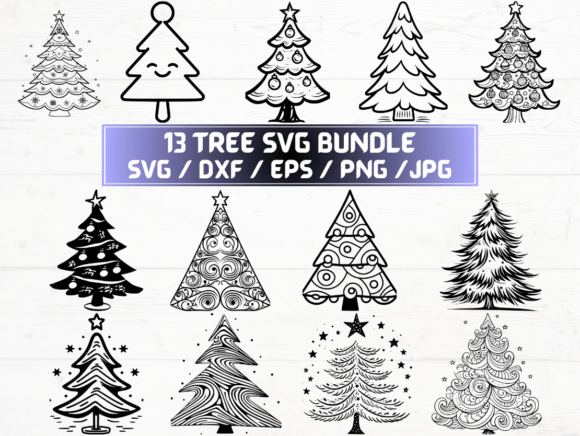
Tree SVG, DXF, EPS, JPG, PNG: A Comprehensive Guide for Designers and Creators
If you're a designer, illustrator, or someone who works with digital graphics, you've likely encountered the need for high-quality tree images in various formats. Whether you're creating logos, packaging, illustrations, or digital art, having access to professional-grade tree assets in multiple file types can make a significant difference. This article explores what Tree SVG, DXF, EPS, JPG, PNG is, why it matters, and how it can be used effectively across different design workflows.
Understanding Tree SVG, DXF, EPS, JPG, PNG
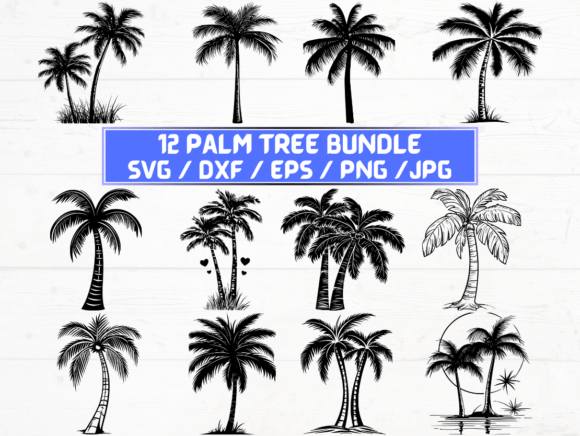
Tree SVG, DXF, EPS, JPG, PNG refers to a collection of digital files representing trees in multiple formats. These files are designed for versatility and compatibility, allowing users to work with them in a wide range of software applications. The package includes 13 files in each format—SVG, DXF, EPS, JPG, and PNG—ensuring that you have the right tools for any project.
The files are provided at 300 dpi with transparent backgrounds, making them ideal for use in both print and digital media. Each format serves a specific purpose:
- SVG (Scalable Vector Graphics): Perfect for web use and scalable designs without loss of quality.
- DXF (Drawing Exchange Format): Commonly used in CAD software for technical drawings and engineering projects.
- EPS (Encapsulated PostScript): Ideal for print and graphic design, especially when working with vector-based artwork.
- JPG (Joint Photographic Experts Group): Best suited for photographs and raster images where high resolution is needed.
- PNG (Portable Network Graphics): Great for web use, offering transparency and high-quality compression.
Why You Need Tree SVG, DXF, EPS, JPG, PNG
Designers often face challenges when sourcing high-quality tree images that fit their specific needs. Traditional stock images may lack the detail or flexibility required for professional work. Additionally, finding images in multiple formats can be time-consuming and inefficient.
This product addresses those challenges by providing a comprehensive set of tree images in all major design formats. It allows you to work seamlessly across different platforms and applications, ensuring consistency and efficiency in your workflow.
Practical Applications of Tree SVG, DXF, EPS, JPG, PNG
The versatility of Tree SVG, DXF, EPS, JPG, PNG makes it suitable for a wide range of applications:
- Logo Design: Use SVG or EPS files to create scalable, high-quality logos for brands related to nature, ecology, or environmental themes.
- Product Packaging: Incorporate PNG or JPG images into packaging designs for eco-friendly products or outdoor gear.
- Illustration Projects: Leverage DXF files in CAD software for detailed architectural or landscape illustrations.
- Web Development: Utilize SVG files for responsive, interactive elements on websites or mobile apps.
- Print Media: EPS and JPG files are perfect for print materials such as brochures, posters, and banners.
By having access to these files in multiple formats, designers can avoid the limitations of a single file type and adapt their work to meet the specific requirements of each project.
How Different Users Can Benefit from Tree SVG, DXF, EPS, JPG, PNG
Whether you're a freelance designer, a small business owner, or an independent artist, Tree SVG, DXF, EPS, JPG, PNG offers value tailored to your needs:
- Freelance Designers: Save time by having ready-to-use tree assets in all necessary formats, reducing the need for custom illustration.
- Small Business Owners: Create professional marketing materials quickly with high-quality images that align with your brand's visual identity.
- Independent Artists: Explore new creative possibilities by using the files in different mediums, from digital art to physical prints.
- Students and Educators: Use the files as teaching tools or project resources in design courses and workshops.
Each user can approach the topic differently based on their goals and skill level. For instance, a beginner might start by using PNG files for simple projects, while an advanced user could explore the intricacies of SVG and DXF for more complex designs.
Considerations for Using Tree SVG, DXF, EPS, JPG, PNG
While Tree SVG, DXF, EPS, JPG, PNG offers numerous benefits, there are some considerations to keep in mind:
- File Compatibility: Ensure that your design software supports the file formats you choose. Some programs may not handle certain extensions well.
- Resolution and Quality: Always check the resolution before using images for print or high-quality displays. The 300 dpi standard is generally suitable for most purposes.
- Transparency and Backgrounds: When working with PNG or SVG files, be mindful of the background. Transparent backgrounds offer greater flexibility but may require additional steps during editing.
- Usage Rights: Verify the licensing terms to ensure that you can use the files for your intended purposes without legal issues.
By understanding these considerations, you can maximize the utility of Tree SVG, DXF, EPS, JPG, PNG and integrate it smoothly into your creative process.