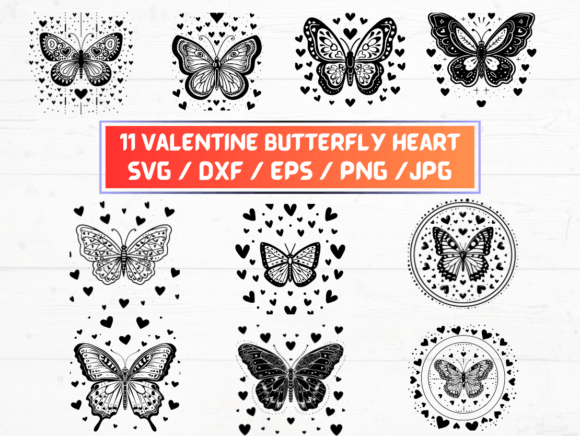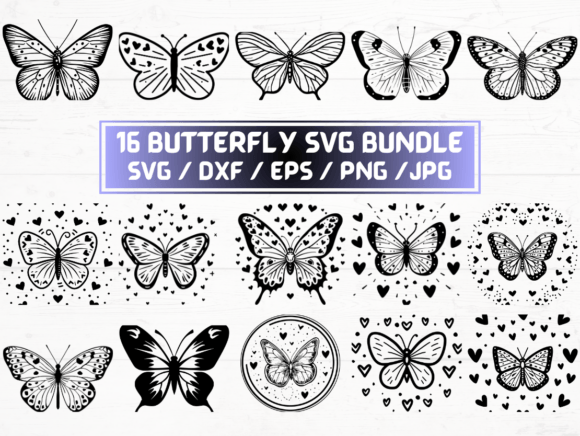
Butterfly SVG, DXF, EPS, JPG, and PNG: A Versatile Digital Asset
When it comes to digital design, the ability to use high-quality, versatile file formats is essential. Butterfly SVG, DXF, EPS, JPG, and PNG are five of the most commonly used file types in graphic design, web development, and print production. Each format has its own strengths, making them ideal for different applications. Whether you're a designer, a business owner, or someone looking to create visual content, understanding these formats can help you make informed decisions about your projects.
Understanding Butterfly SVG, DXF, EPS, JPG, and PNG
Butterfly SVG stands for Scalable Vector Graphics. It is an XML-based format that allows for high-quality, resolution-independent images. This means that Butterfly SVG files can be scaled to any size without losing clarity, making them perfect for logos, icons, and illustrations. Additionally, they support transparency and can be edited easily using vector graphics software like Adobe Illustrator or Inkscape.
DXF (Drawing Exchange Format) is primarily used in engineering and architectural fields. It's a file format developed by Autodesk and is widely used for 2D and 3D designs. While Butterfly SVG is more common in design work, DXF is preferred when precision and compatibility with CAD software are required.
EPS (Encapsulated PostScript) is another vector format that supports both vector and bitmap images. It's often used in print media because it maintains quality at any scale and is compatible with many professional printing systems. Butterfly SVG and EPS are similar in that they are both vector-based, but EPS offers broader compatibility with older software and hardware.
JPG (Joint Photographic Experts Group) is a popular raster image format known for its high compression rate. It's ideal for photographs and complex images where color fidelity and detail are important. However, JPG does not support transparency, which makes it less suitable for certain design applications compared to Butterfly SVG or PNG.
PNG (Portable Network Graphics) is another raster format, but unlike JPG, it supports transparency and lossless compression. This makes PNG a great choice for web graphics, icons, and images that need to maintain quality while being lightweight. Butterfly SVG and PNG are both excellent for online use, especially when transparency is needed.
Where Can Butterfly SVG, DXF, EPS, JPG, and PNG Be Used?
The versatility of Butterfly SVG, DXF, EPS, JPG, and PNG makes them suitable for a wide range of applications. Here are some common use cases:
- Graphic Design: Butterfly SVG and PNG are frequently used for creating logos, icons, and illustrations due to their scalability and editability.
- Web Development: Butterfly SVG is particularly useful for web graphics because it can be embedded directly into HTML code, reducing file size and improving loading times.
- Print Media: EPS and DXF are preferred in print design because they maintain quality at any scale and are compatible with professional printing systems.
- Engineering and Architecture: DXF is widely used in these fields for designing blueprints, schematics, and technical drawings.
- Photography: JPG is commonly used for storing and sharing high-resolution photographs due to its efficient compression and widespread compatibility.
Who Benefits from Using Butterfly SVG, DXF, EPS, JPG, and PNG?
The benefits of Butterfly SVG, DXF, EPS, JPG, and PNG extend to a variety of users:
- Designers: These formats provide flexibility in creating and editing graphics for both digital and print projects.
- Business Owners: High-quality visuals are essential for branding, marketing materials, and online presence. Butterfly SVG and PNG offer scalable and editable options for logo creation and website graphics.
- Creators: Artists and illustrators can use Butterfly SVG to create intricate designs that can be easily modified and shared.
- Engineers and Architects: DXF and EPS are crucial for technical drawing and documentation, ensuring accuracy and compatibility across different software platforms.
- Online Users: Whether for social media, websites, or e-commerce, Butterfly SVG and PNG provide high-quality, scalable images that look great on all devices.
Strengths and Limitations of Butterfly SVG, DXF, EPS, JPG, and PNG
While each format has its advantages, there are also limitations to consider:
Strengths:
- Scalability: Butterfly SVG and EPS maintain quality regardless of size, making them ideal for print and digital use.
- Transparency: PNG supports transparent backgrounds, which is useful for web graphics and overlays.
- Compatibility: JPG and PNG are widely supported across different platforms and software.
- Editing Flexibility: Butterfly SVG and EPS can be easily edited in vector software, allowing for precise adjustments.
Limitations:
- Compression Trade-offs: JPG uses lossy compression, which can reduce image quality, especially when resized multiple times.
- File Size: DXF files can be large, which may affect performance in some applications.
- Software Requirements: EPS and DXF may require specific software to open and edit, which could be a barrier for some users.
- Complexity: Butterfly SVG requires knowledge of vector graphics and may not be as accessible to beginners.
Real-World Applications of Butterfly SVG, DXF, EPS, JPG, and PNG
Let’s explore some real-world examples of how Butterfly SVG, DXF, EPS, JPG, and PNG are used in practice:
Example 1: Logo Creation
A small business owner wants to create a logo that can be used on various platforms, including the website, social media, and printed materials. They choose Butterfly SVG because it allows for easy scaling and editing. The logo can be adjusted for different sizes and colors without losing quality.
Example 2: Engineering Blueprints
An architect needs to create detailed blueprints for a new building. They use DXF because it provides precise measurements and is compatible with CAD software. The blueprint can be shared with construction teams and clients without any loss of detail.
Example 3: Online Marketing
A digital marketer is preparing a campaign and needs high-quality images for social media posts. They use PNG files because they support transparency, allowing for seamless integration with background images and overlays.
Example 4: Website Development
A web developer is building a responsive website and wants to include interactive graphics. They embed Butterfly SVG directly into the HTML code, which improves performance and ensures the graphics scale properly on different screen sizes.
Example 5: Print Advertising
A graphic designer is creating a print ad for a client. They use EPS because it maintains high quality at any size and is compatible with professional printing systems. The final product looks sharp and clear in print.
Evaluating Suitability for Different Needs
Choosing the right format depends on the specific requirements of your project. Here are some guidelines to help you decide:
- Use Butterfly SVG for: Logos, icons, and illustrations that need to be scalable and editable.
- Use DXF for: Technical drawings, blueprints, and engineering designs that require precision.
- Use EPS for: Print media and professional design work that demands high-quality output.
- Use JPG for: Photographs and images where file size and compatibility are important.
- Use PNG for: Web graphics, icons, and images that need transparency and high quality.
By understanding the strengths and limitations of Butterfly SVG, DXF, EPS, JPG, and PNG, you can make informed decisions about which format best suits your needs. Whether you're working on a personal project or a professional endeavor, these file types offer valuable tools for creating high-quality visual content.